Tokyo to Kyoto by E-Bike, Day 5: Nagoya to Tarui, Racing the Shinkansen Through Gifu
Out of Nagoya into the flooded paddies of Gifu, where a massive curved structure I’d wondered about for years turned out to have a far stranger backstory than I expected. Capped off with a night in a container hotel.
Day 5 started in central Nagoya. The forecast looked suspect, and I might have to put in some work later, so I kept the ride short, planning to stop just before the hilly pass at Sekigahara. About 47km. A welcome distance after the long days behind me, and my thighs agreed. I carried on along the previous day’s diagonal line, heading northwest.
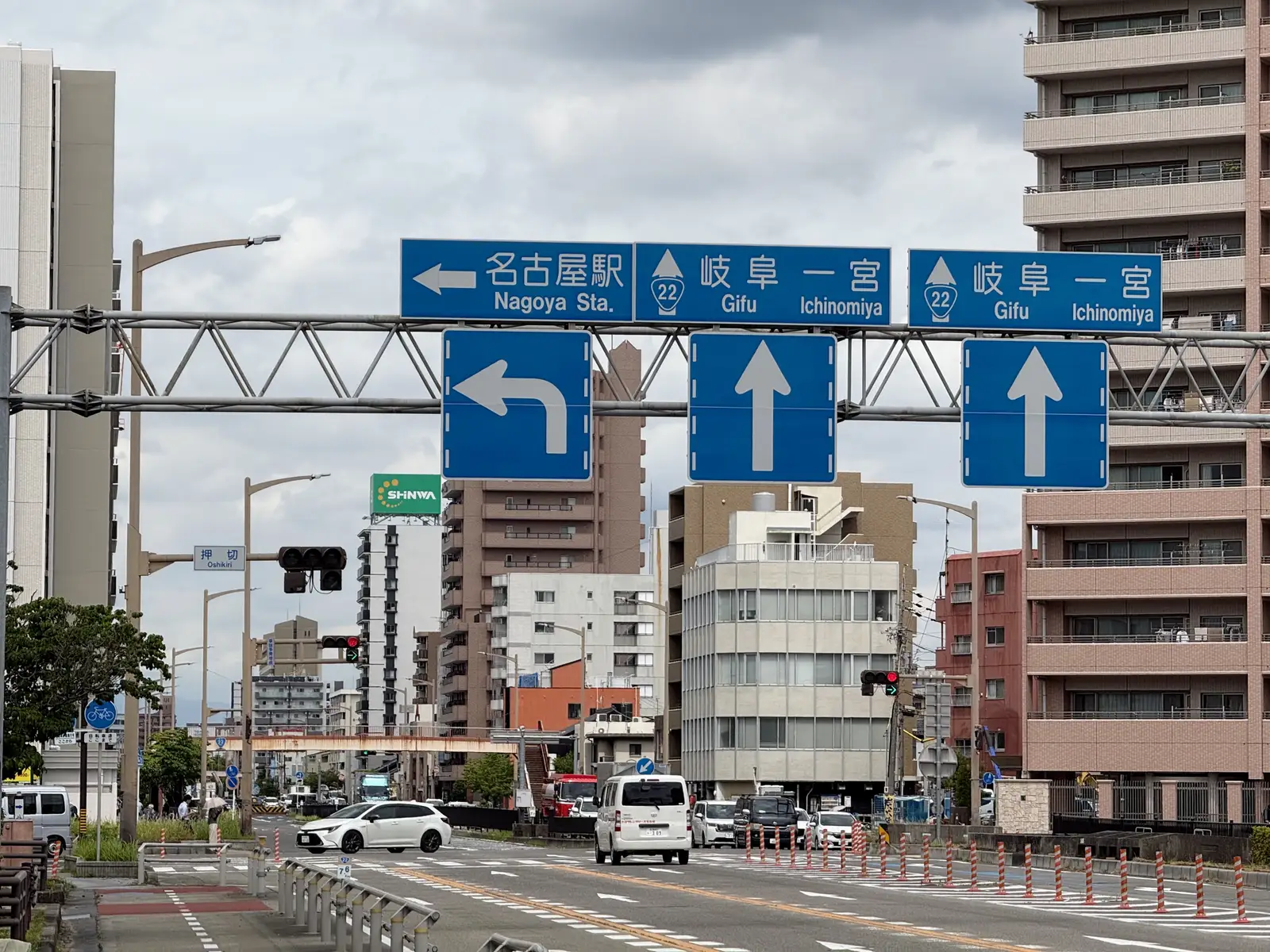
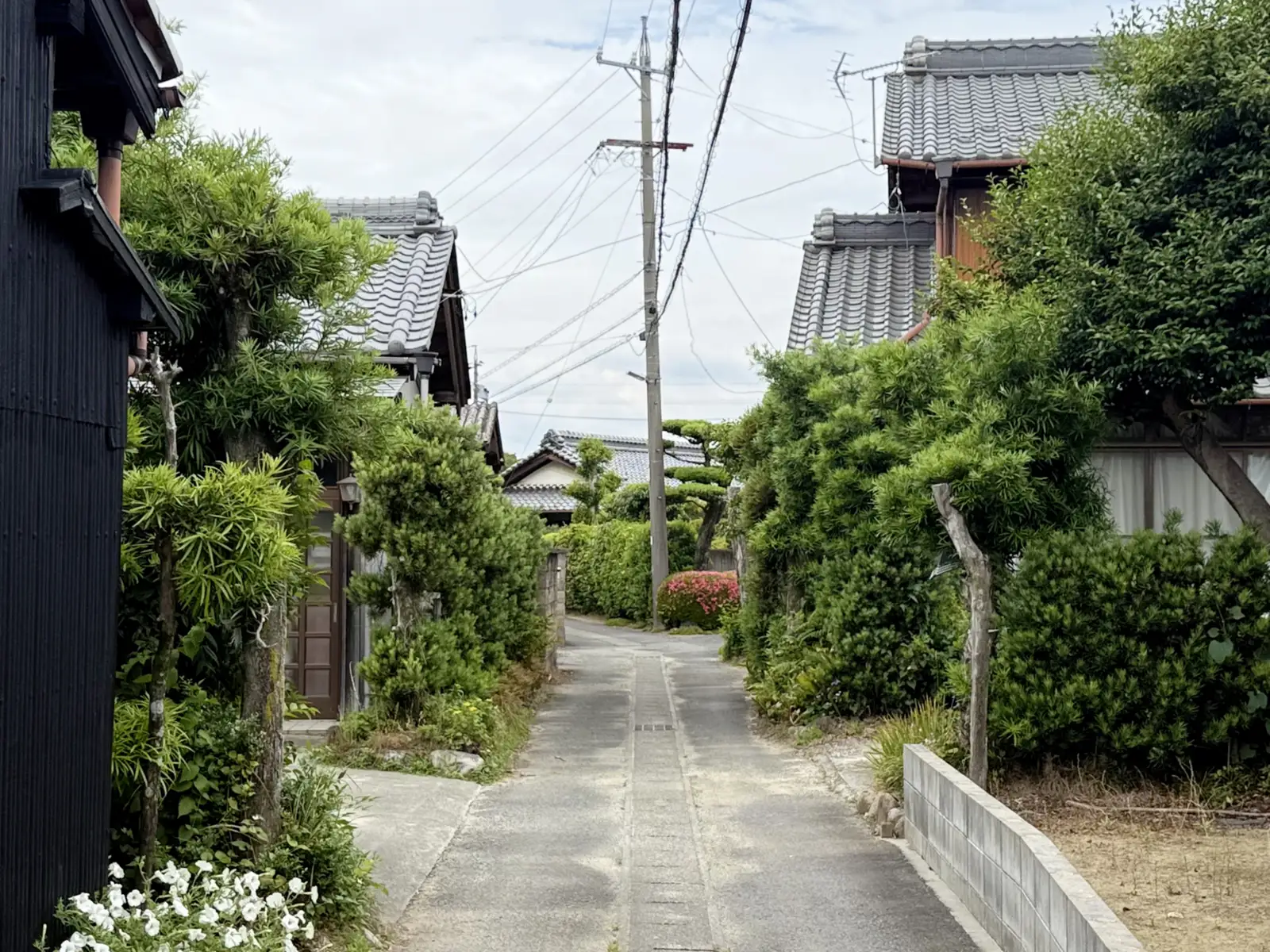
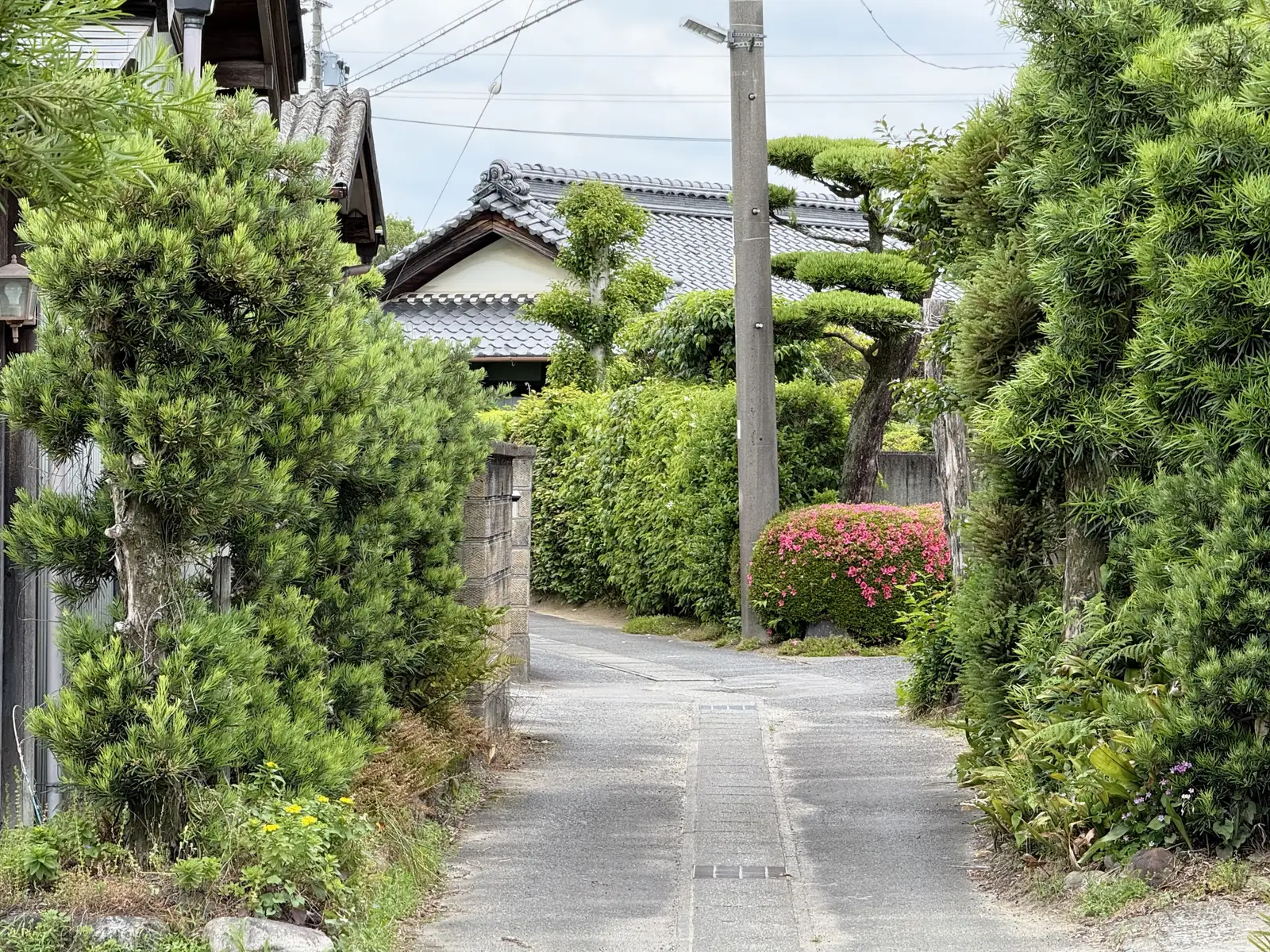
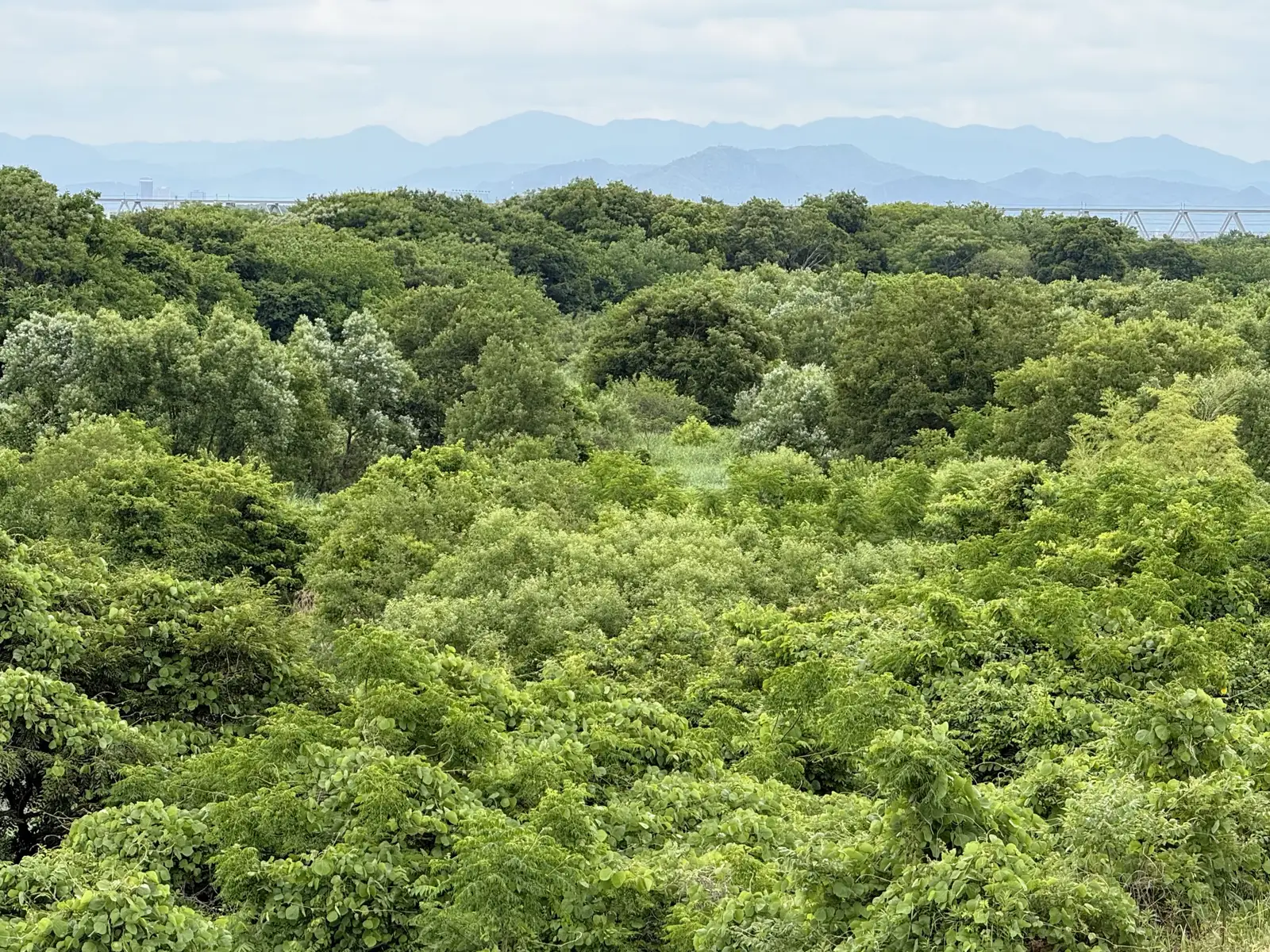
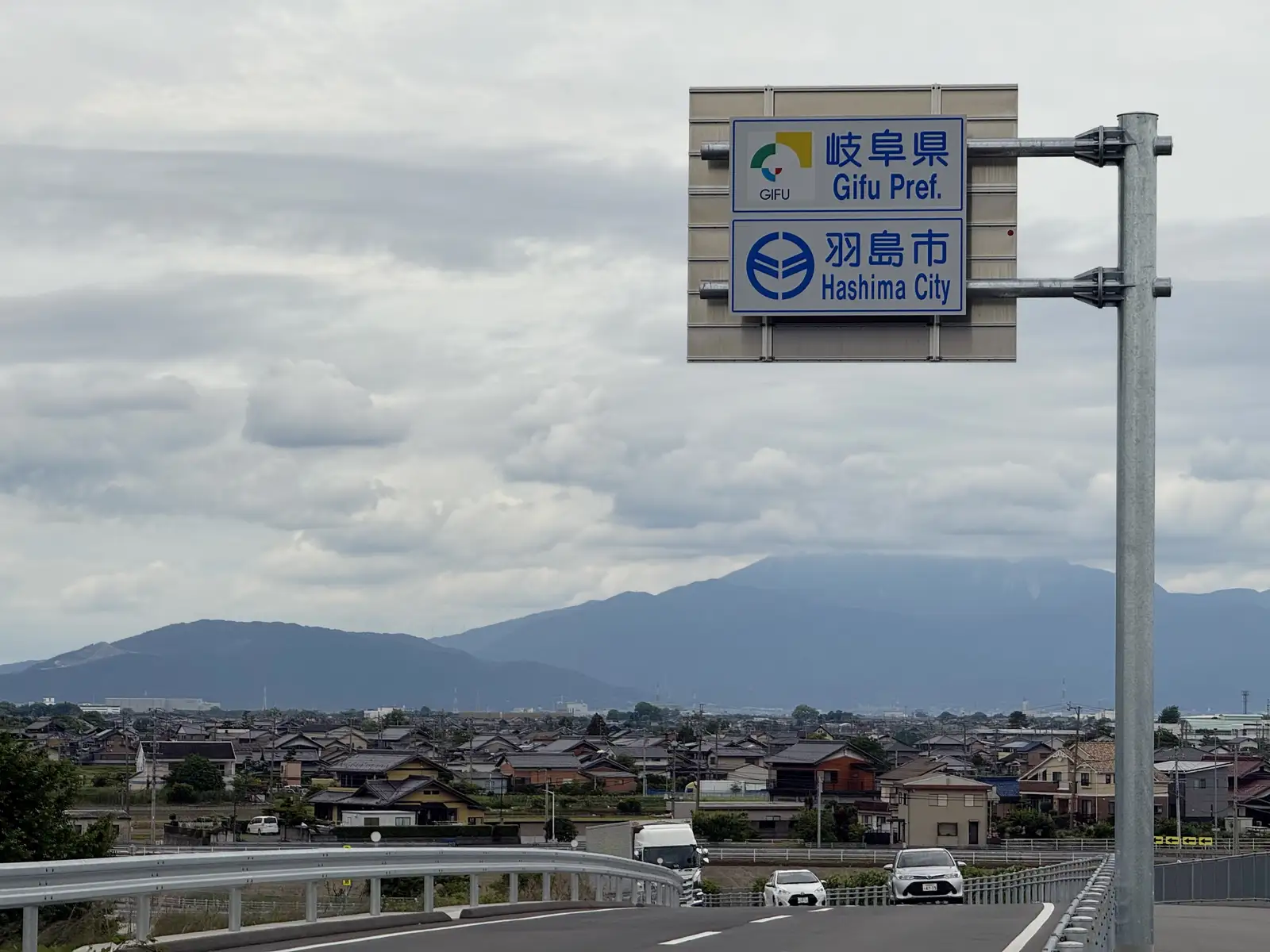
Out past the Nagoya suburbs, I crossed the Kiso River into Gifu. The route ran through a maze of small towns, most of them with dense green around the houses. The buildings were modern but with traditional touches, the rooftops especially. Gifu is a big prefecture, and most of it is countryside.
Past Hashima, it appeared right beside the route. A massive curved thing bending across the sky like a boomerang. Or a banana, if you prefer. In the past, I’d seen it from the Shinkansen a few times, always the same half-second: a dark shape at the edge of the window, gone before I could really look. Never enough time to tell what it was. This time I was going bike speed, and it just sat there in full view, getting bigger the closer I got, no train to snatch it away after a second.
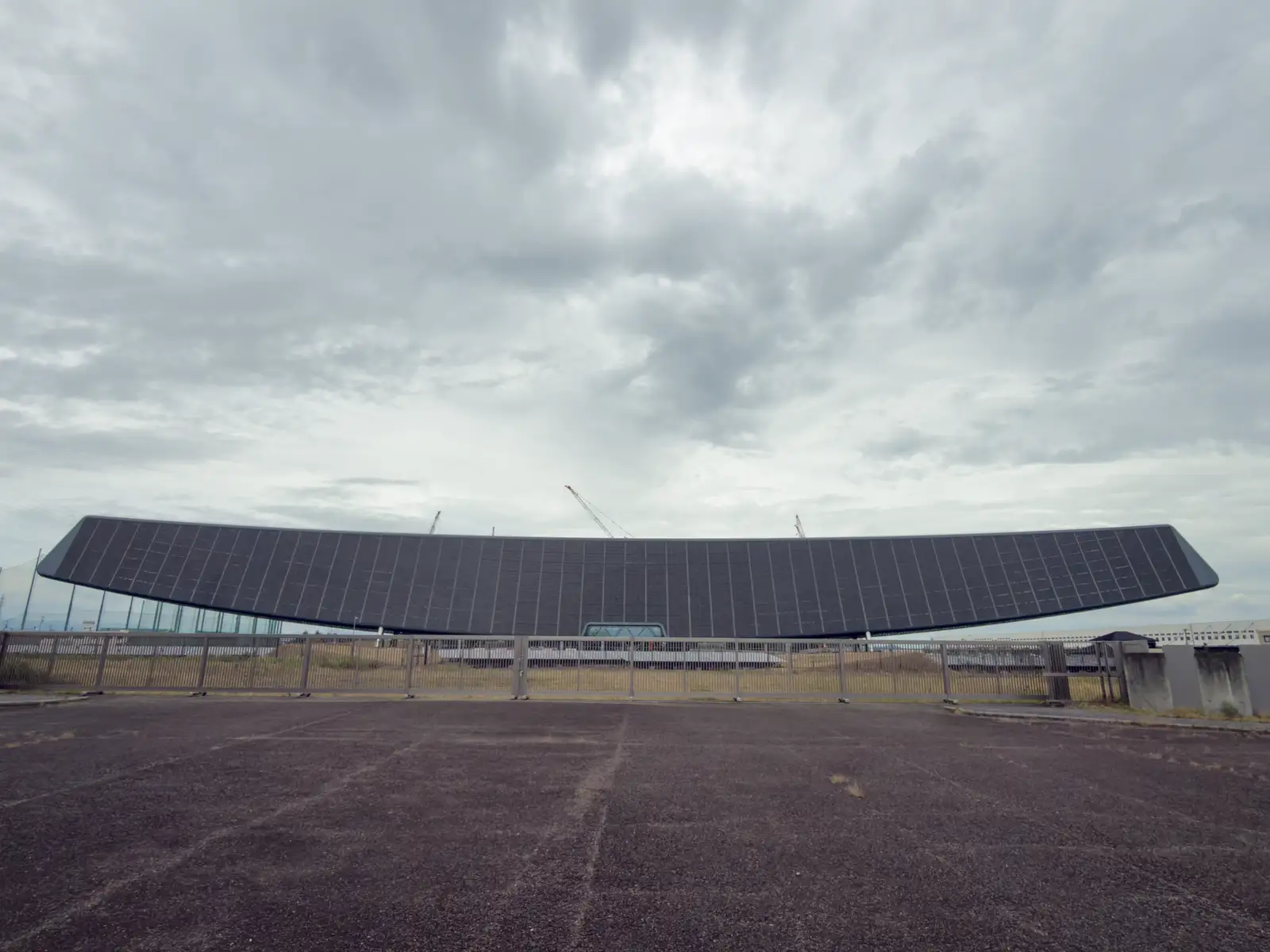
I’d never looked it up before, so this time I did. The building sits in Anpachi and is called the Solar Ark, a solar power generation facility with a strange backstory. Sanyo Electric set out to build the largest solar power system in the world using their newest technology. Then a batch of their monocrystalline cells had to be recalled for falling short of their rated output. Instead of scrapping the rejects, Sanyo used them to build this thing, which opened in 2002. It was meant as a symbol of clean energy and, given how it came about, a standing reminder to take quality control seriously. It holds 5,046 solar panels, good for about 530,000 kilowatt-hours a year.
Panasonic took over when it absorbed Sanyo in 2011, swapping the red Sanyo logo for a blue Panasonic one. Sitting right beside the Tokaido Shinkansen tracks, the Ark became a familiar marker for anyone riding the bullet train between Tokyo and Osaka. Power generation stopped in the summer of 2022. That same year Panasonic sold the land to a real estate company in Osaka, the logos came down, and the front entrance was sealed. The surrounding buildings were knocked down, and the Ark itself was set to be demolished by the end of July 2024. It survived. In December 2024 the owner sold off the northern part of the old Sanyo site, the half without the Ark, to a developer, and held onto the southern half where the Ark stands. For now it isn’t being torn down. What it becomes instead is still undecided.
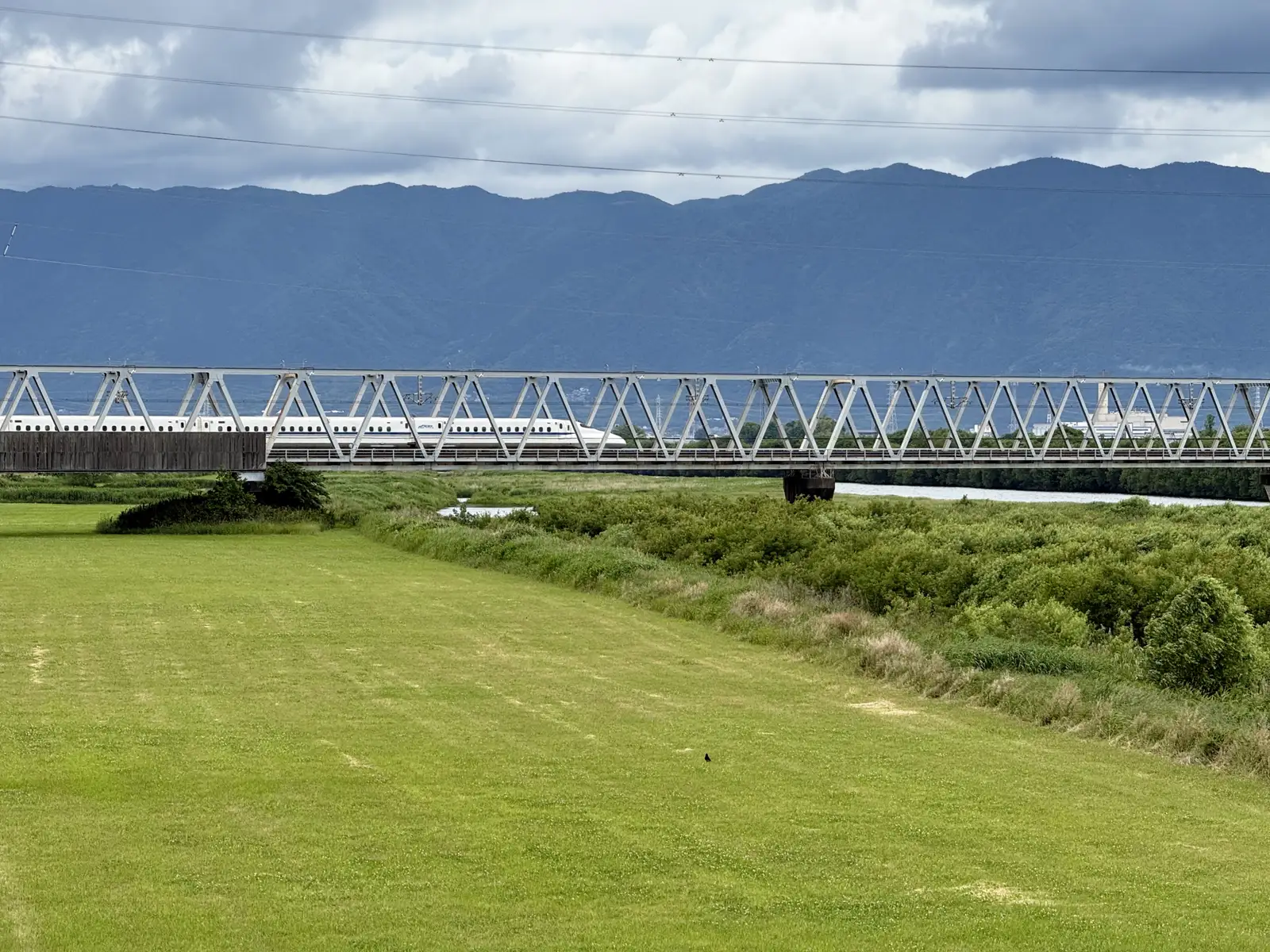
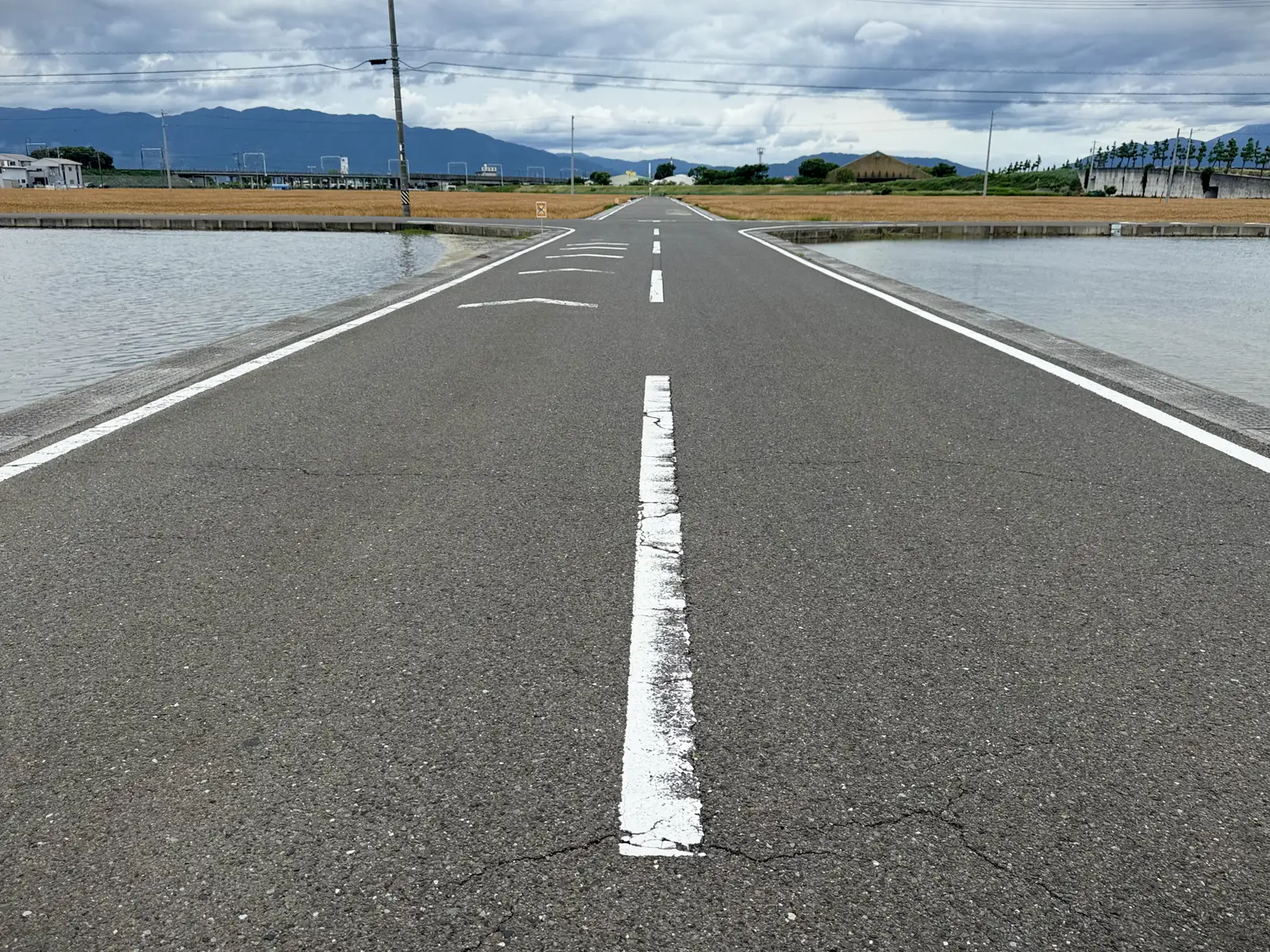
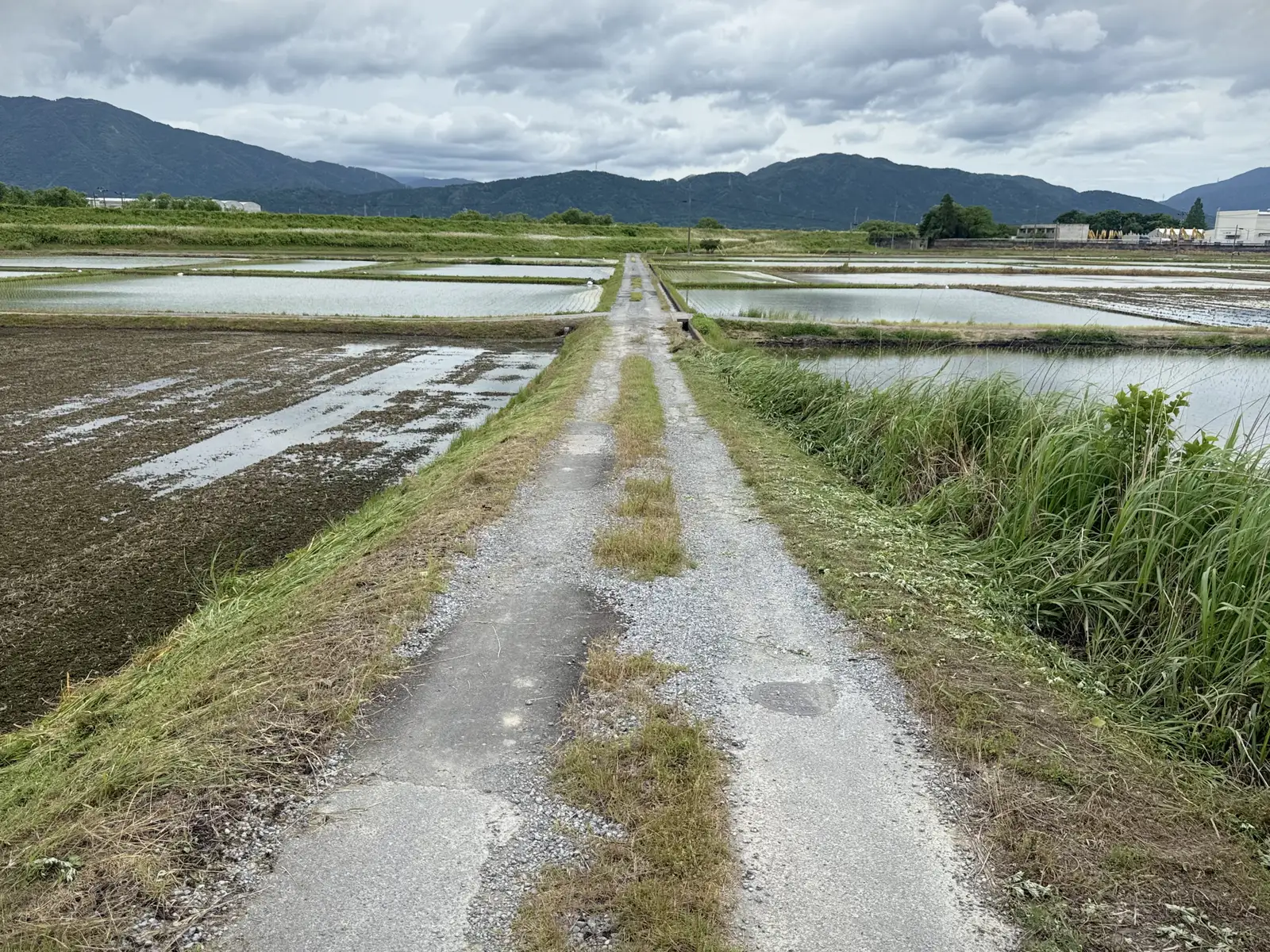
Past the Ark I was already into Ogaki, a bigger city sitting just before the rice fields took over. From there it felt like a computer game: a grid of paddies you have to find a route through, racing the shinkansen as it shot past every few minutes. Mountains were in the background, with low clouds hanging over their tops.
Before I knew it I’d reached the day’s destination, the town of Tarui. It has no particular significance. It was just the closest town to the pass, and I’d found a good deal there. Not a conventional place this time but a container hotel, R9 The Yard. It’s a chain here in Japan, and it suits travel like mine well. Each room is its own container, some even with two beds, with your own bathroom included. The interiors are modern and have everything you need. Hard to believe you’re sitting inside a container. There’s coin laundry on site, and at check-in you get a ticket for a free small frozen meal to heat up in the microwave. A major road ran right past, but it didn’t bother me at all. The containers seem well insulated, and the traffic thinned out as night came on. The service was well run. Most guests looked like solo travelers, there by car, a few on motorcycles.
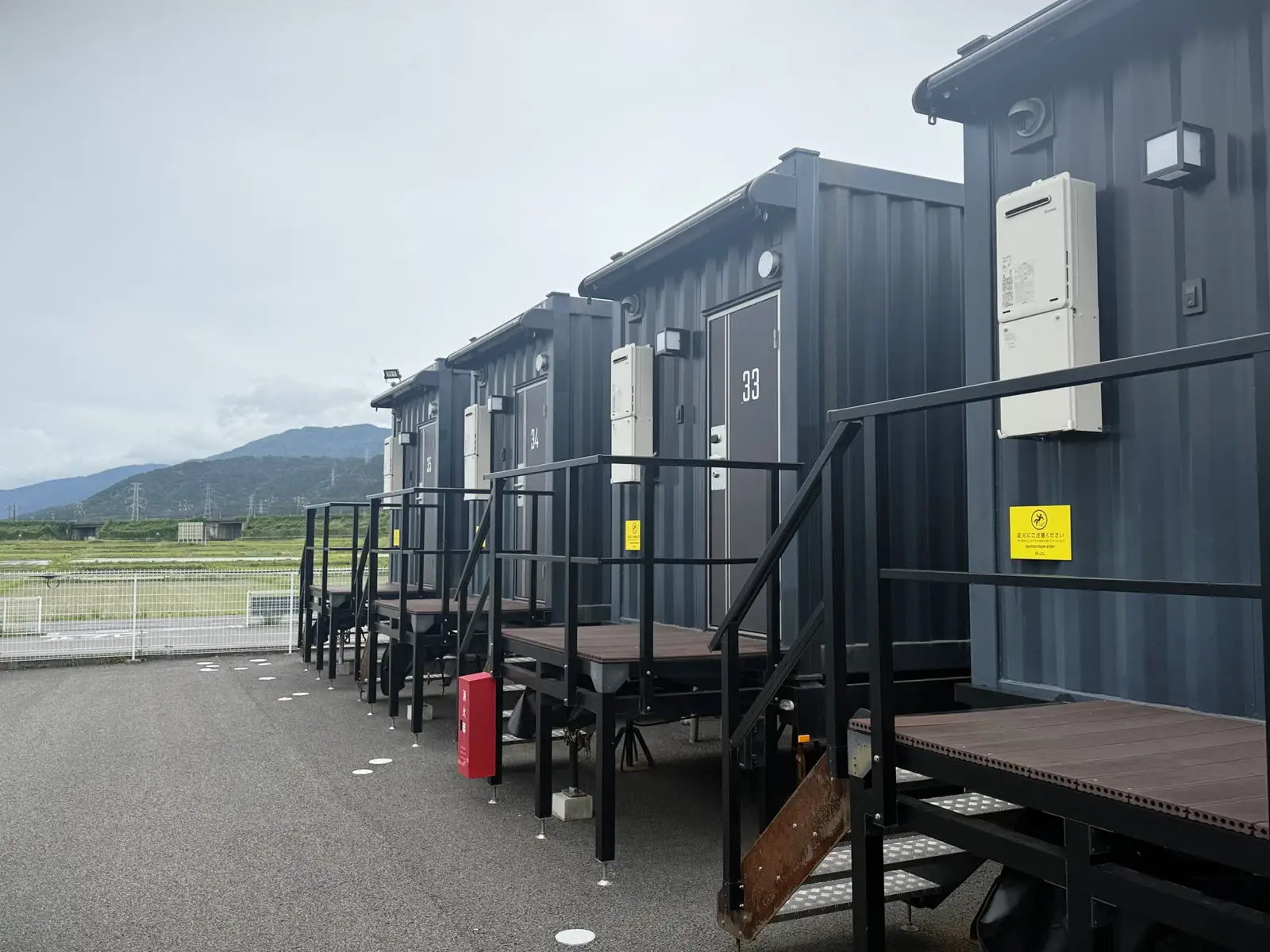
I could park the Beast right in front of my container, which was as convenient as it sounds.
I made it an early night. The next day’s ride ran all the way to Omihachiman, long enough that I wanted the head start.